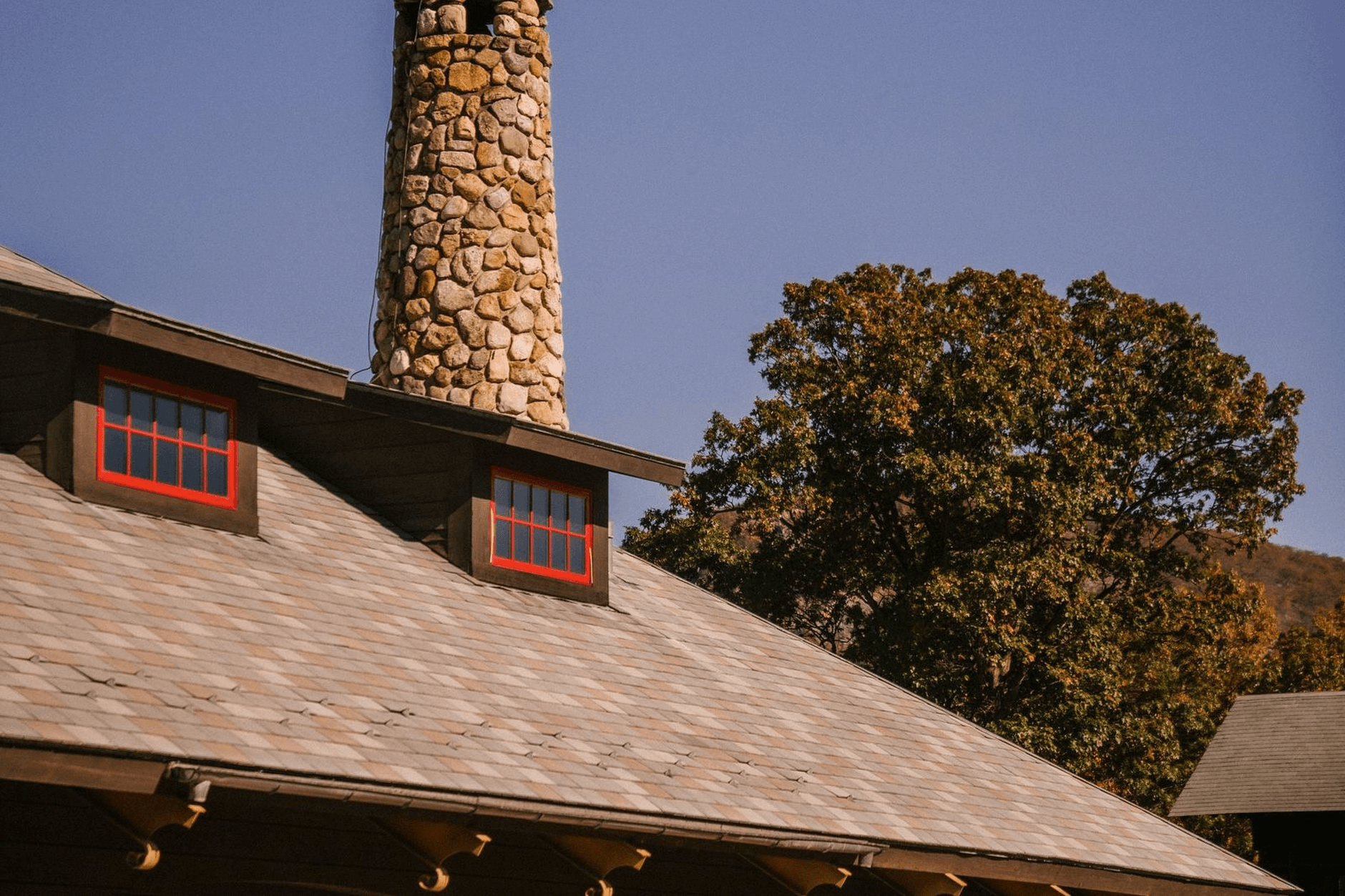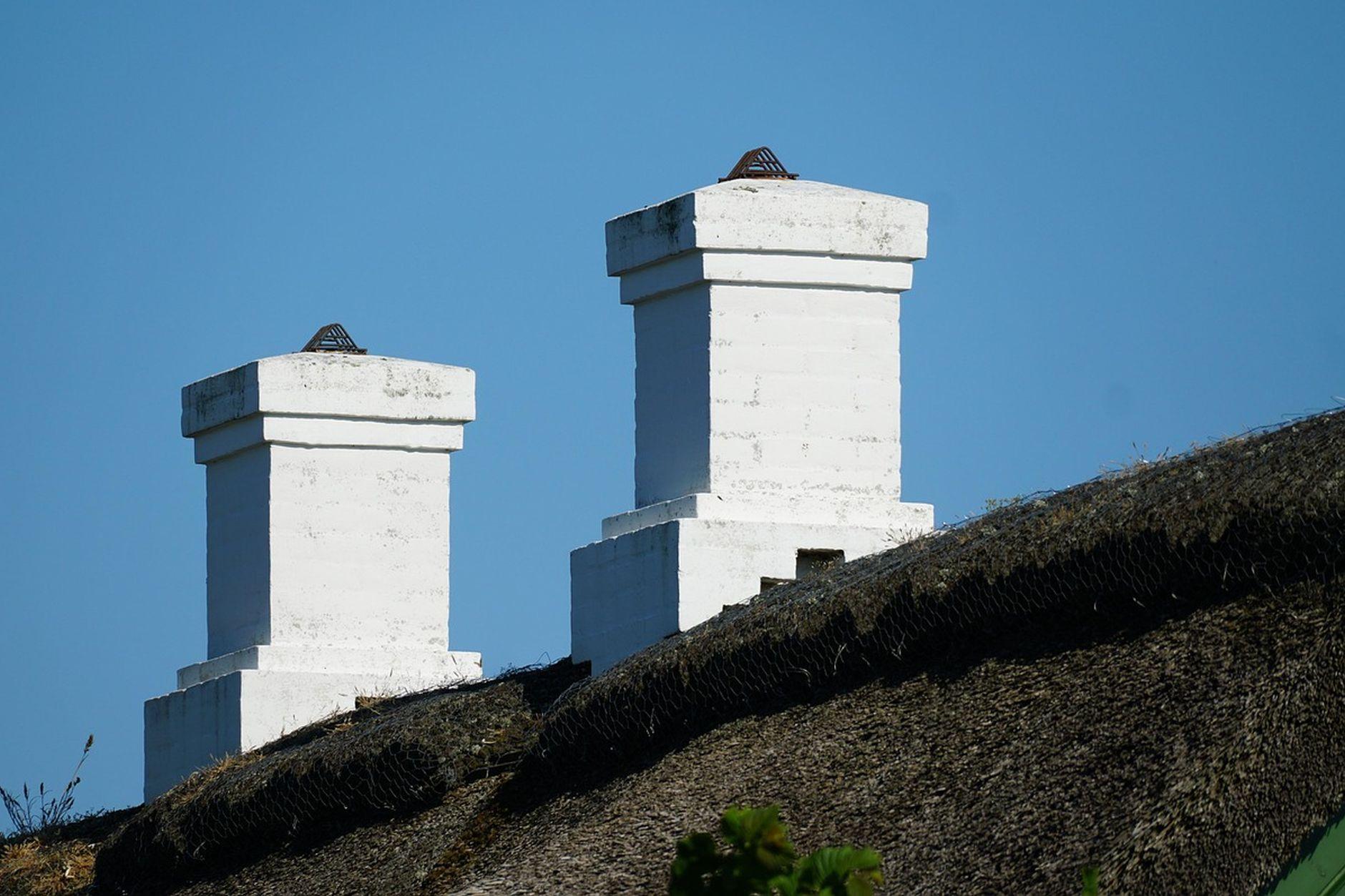
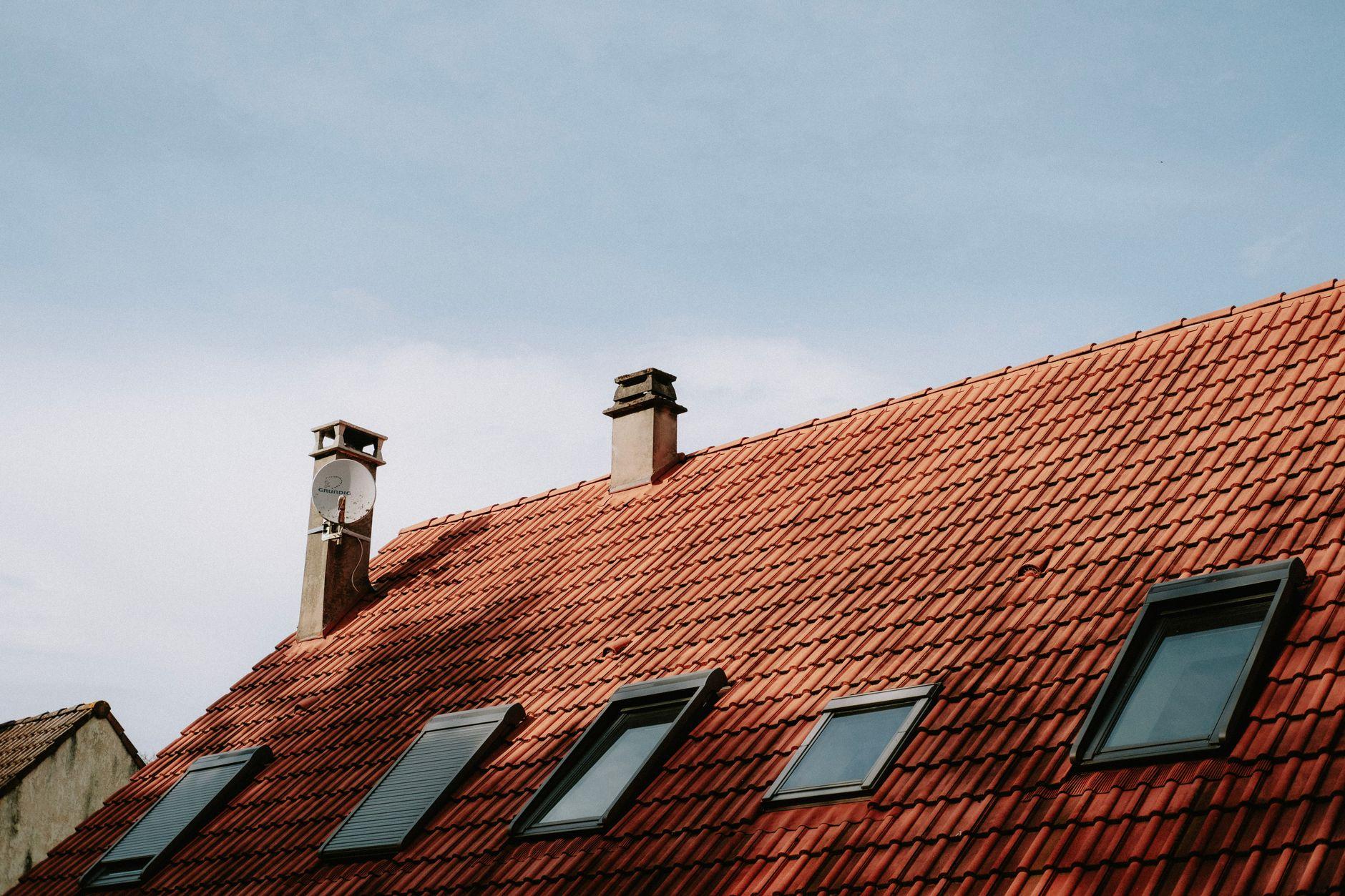
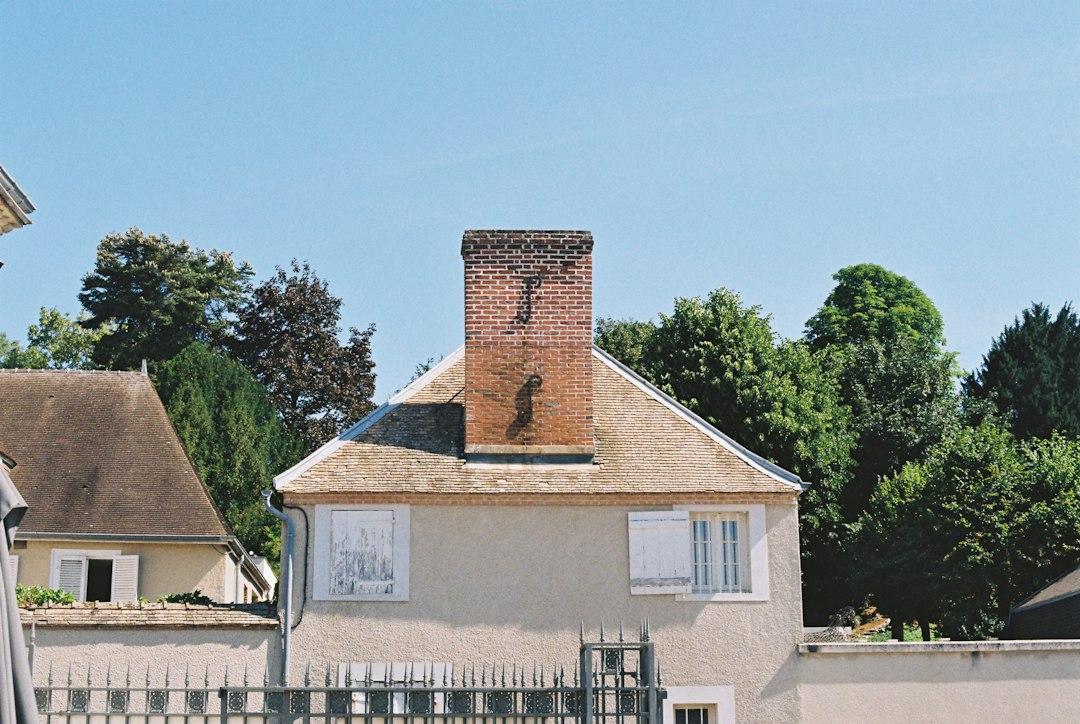
On rental buildings around Irvine, the chimney cap is the part we most often find missing, bent or rusted through. Tenants never see it, managers rarely go on the roof, and a cap that blew off in a winter storm can stay gone for years. This guide covers what that costs a landlord, what sets the price of a new cap, and how to order them for a building.
What a missing cap costs an owner
Without a cap, the top of the flue is an open pipe. On a rental, that shows up in three ways:
- Nests and debris. Birds build in open flues in spring. The next time a tenant lights a fire, the smoke has nowhere to go but the living room.
- Water. Rain falls straight in, rusts the damper, softens the mortar in the firebox and can stain the ceiling or wall beside the fireplace. Water damage in a rented unit becomes a repair call, then sometimes a dispute.
- Embers. During Santa Ana winds, an uncovered flue lets sparks out onto dry roofs and landscaping. A cap with a spark screen keeps them inside the chimney.
Each of these lands on the owner's desk sooner or later. A cap is one of the smallest jobs on the whole roof, and it prevents most of them.
What sets the cap price
Caps are quoted after we measure. The price comes down to:
| What moves the figure | Simplest job | Costs more |
|---|---|---|
| Flues under the cap | One | Several, under one top |
| Size | Stock size for the flue | Made to measure for a wide crown |
| Metal | Stainless steel | Copper or heavy gauge |
| Roof access | Low slope, one storey | Steep or high roof |
A single-flue stainless cap on a single-storey roof is the simplest job. A wide top built to cover a whole crown with several flues costs the most.
On factory-built chimneys, common in Irvine condo complexes, the cap has to be the one listed for that chimney's make. We match the model rather than fitting a generic top, which can change the price.
Stainless, galvanized or copper
For a rental we nearly always suggest stainless steel. Galvanized caps cost less up front but rust, and near the coast in Laguna Beach and parts of Costa Mesa the salt air gets to them quickly. Copper looks good on a showpiece house and lasts, but on a rental building the extra cost rarely pays back. Stainless is the middle path: it holds up to marine air, and the screen does not rot out.
Ordering caps for a whole building
Buildings put up at the same time tend to lose their caps at the same time. Rather than replacing one after each tenant complaint, most owners have us measure every flue on one trip and fit the caps on one roof day. Each cap is recorded against the unit it serves, so the property file shows which units are covered.
What decides your figure, and the next step
For a single chimney, the figure turns on the number of flues, their size, the metal and the roof. For a building, add the count of chimney tops. We confirm all of that on the roof and send a written figure per cap before ordering anything.
Send the address and the number of chimney tops on the building for a written cap figure
What a cap does not fix
A cap stops rain falling down the flue. It does nothing for water getting in through a cracked crown, open mortar joints or failed flashing where the chimney meets the roof. If a unit has a stain that persists after a cap goes on, the leak is coming from somewhere else.
Leak tracing and the repair that follows run $565 to $3,400. Where water pools behind a wide chimney on the high side of the roof, a small sloped diverter called a cricket costs $455 to $1,020, or $680 to $1,700 if the step flashing is renewed at the same time. Crowns and chase covers have no list price; you get a written figure once we have measured them. Our chimney leak repair page covers the tracing in more detail.
Signs a building needs caps
You can spot most cap problems without a ladder. From the parking lot or the street, look at the top of each chimney. A bare flue tile poking out with nothing over it, a cap leaning or missing its screen, or brown streaks running down the stucco from the top all point the same way. Inside, tenants mentioning birds, a musty smell from the fireplace or rust flakes on the firebox floor are worth a note in the unit file and a roof check on the next visit.
Fitting the cap during the yearly check
The handiest time to fit a cap is when we are already on the roof. If the yearly $165 unit check finds a cap missing or failing, the finding page says so with a photo, and the cap can go on the same roof trip once you approve the figure. Our guide to rental inspection costs covers that check.
Where we fit caps
We fit caps across Irvine, Costa Mesa, Orange and Laguna Beach. The chimney cap installation page has the service details, and the Irvine area page lists the neighborhoods we cover.
When you are ready to price the caps for a building, start on our contact page with the address.
Own or Manage Units Like These?
Mead Chimney Works books rental chimney and gas unit work from Irvine, sets entry through your manager and files a dated report for each unit, with repairs priced for the owner to approve.